
What Is “Thank-you Cooking”?
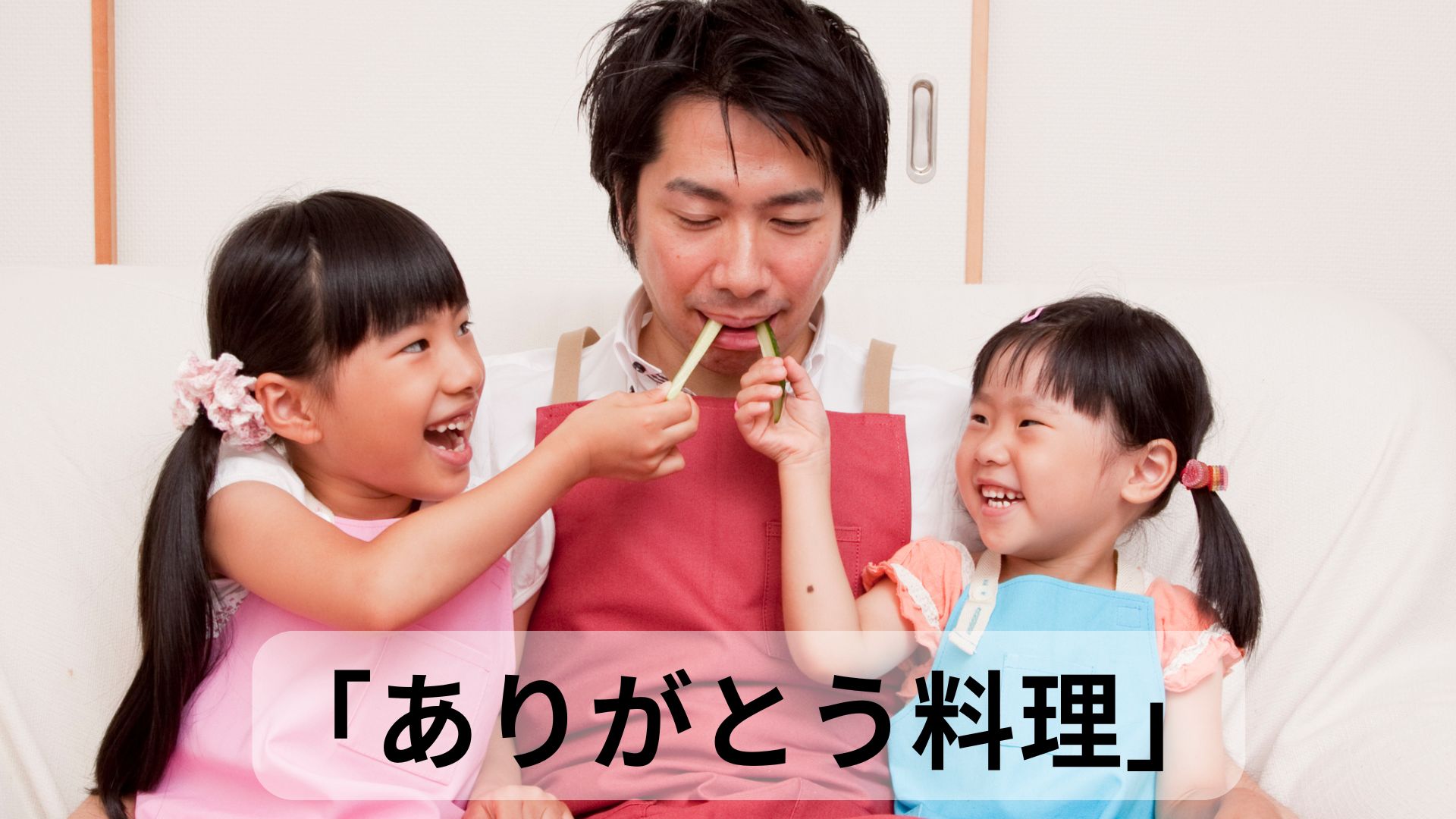
The philosophy of gratitude that warms our hearts and our family time
Itadakimasu — Gratitude for the life of the food we receive.
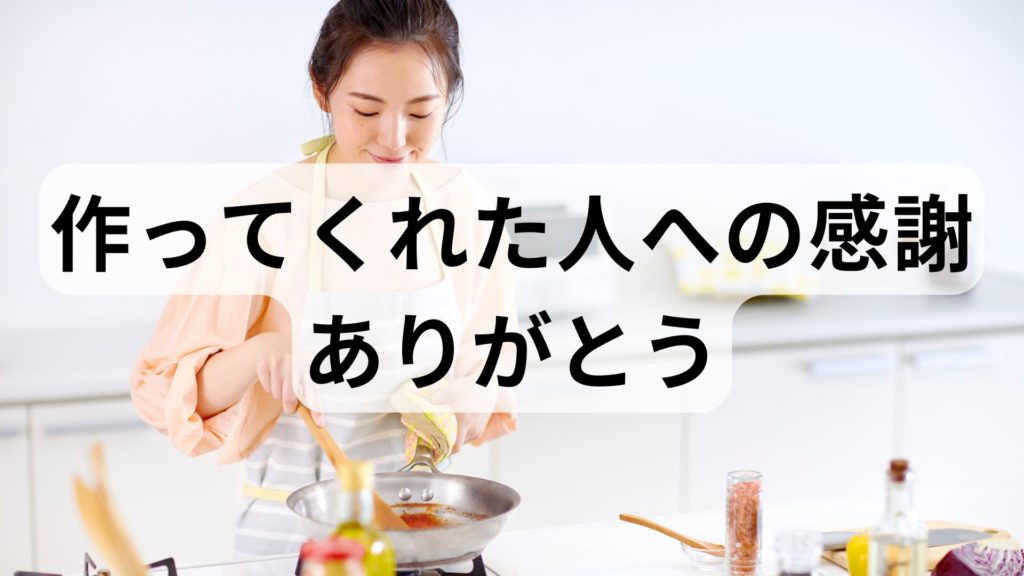
Gochisousama — Gratitude for the people who prepare our meals.
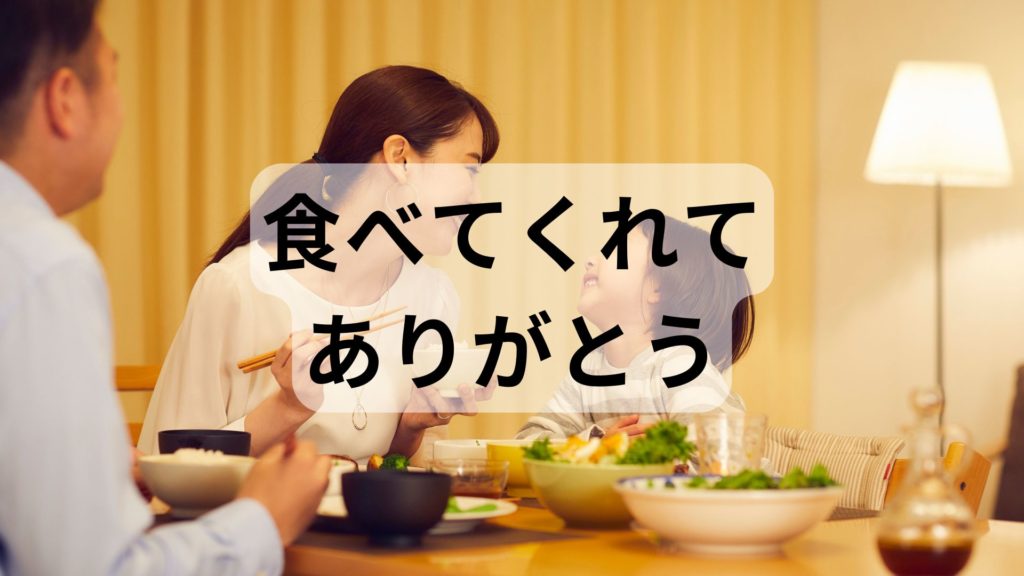
Tabete kurete arigatou — Gratitude to those who eat with us, and to our own bodies that allow us to eat.
“Thank-you Cooking” is a way of living that invites us to remember
these three kinds of gratitude at our dining tables every day.
When we notice:
– that someone eats the food we make,
– that someone cooks for us,
– and that our bodies allow us to eat—
the dining table stops being “just a meal” and becomes a place where we rediscover happiness.
The time we have to share meals with family is limited
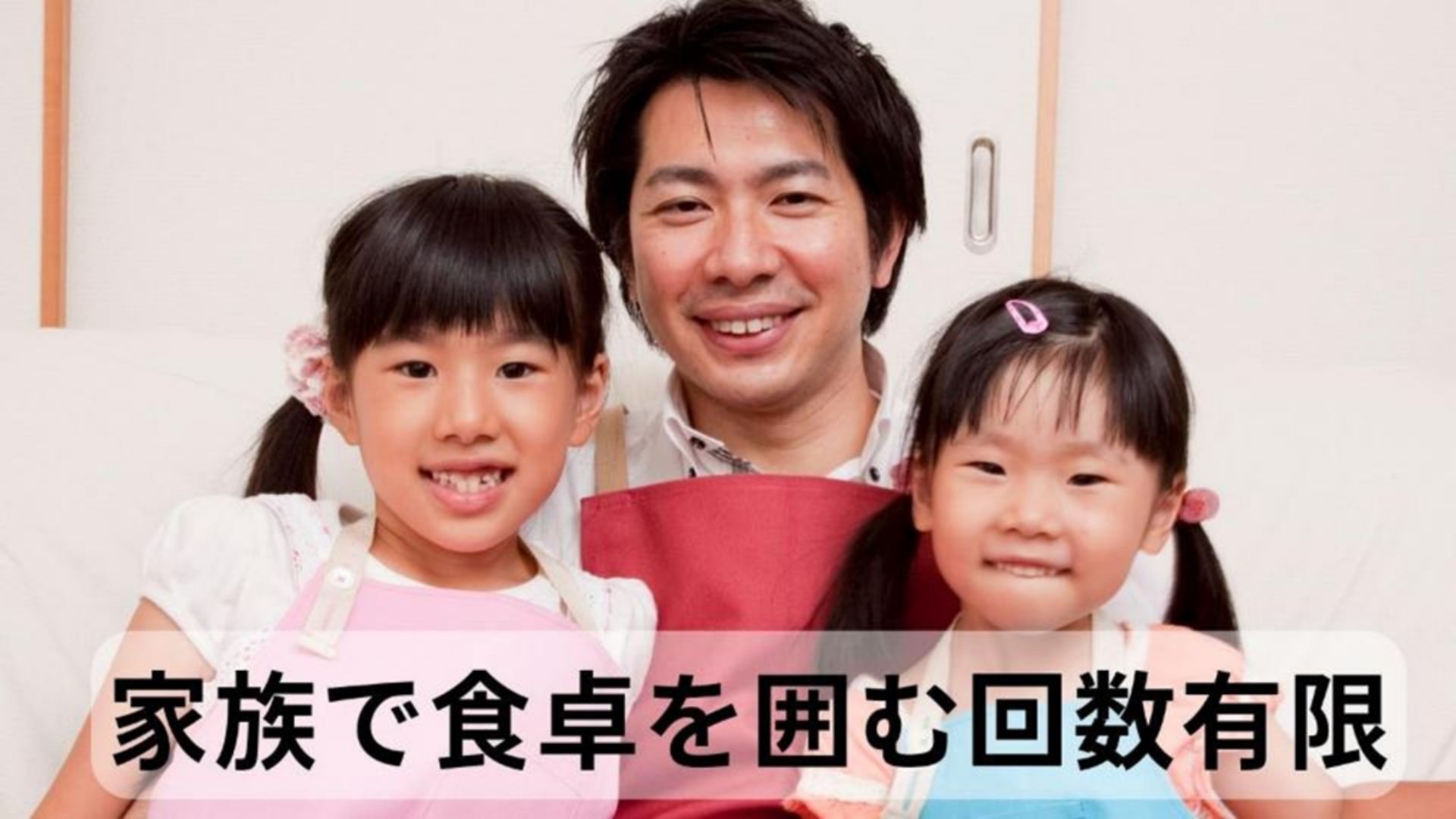
For many years, I worked as the “Papa Cooking Researcher,” promoting
family mealtime and shared eating (“Tomoshoku”).
But when my eldest daughter battled illness, and when I myself later underwent surgery for colorectal cancer (I am now fully recovered),
my view of the dining table changed completely.
Watching my daughter sleep in her hospital bed,
I wished again and again that I could cook something for her.
But I could no longer feed her.
It was then I felt with overwhelming clarity:
“How precious it was that my family could eat the food I made.”
The number of meals we share with our family is not infinite.
Later, when I myself lived several days on IV drips after surgery,
the taste of the first spoonful of warm rice porridge is something I will never forget.
Being able to chew.
Being able to swallow.
Feeling food travel down into the stomach.
The body accepting nourishment.
Every single movement felt like a miracle.
And in that moment, I quietly whispered to my own body:
“Thank you for eating.”
The Three “Thank-yous” of Thank-you Cooking

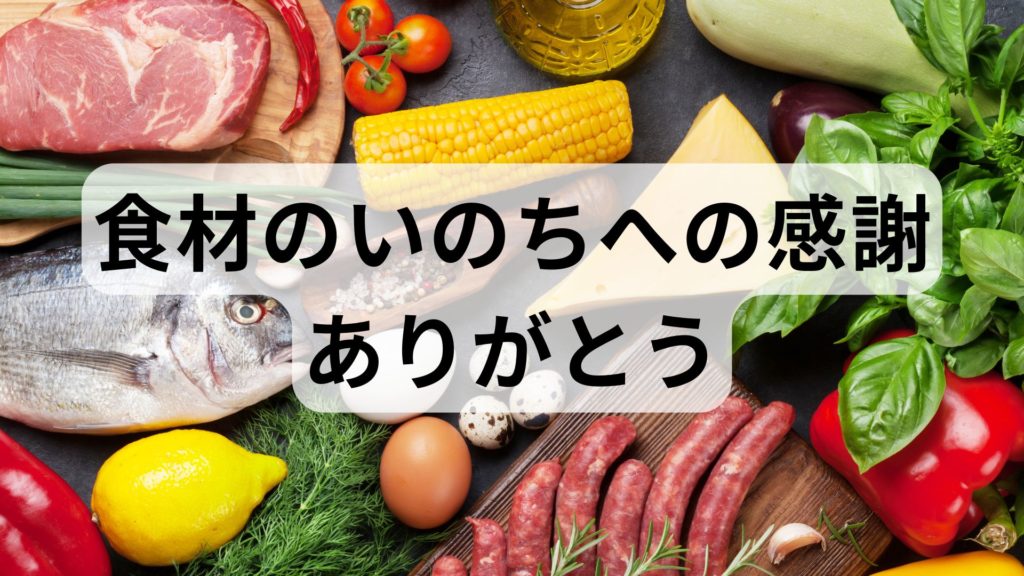
1|Gratitude for the life of food
– The vegetables, animals, and blessings of the sea and earth
– The lives that sustain our own
– The awareness that “eating is never guaranteed”
– The deep gratitude contained in the words “I humbly receive this life.”
2|Gratitude for the people who make and support our meals
– Farmers, fishers, producers
– The people who transport and sell our food
– Family members and friends who cook
– The labor, time, and care of everyone who supports our meals
Every dining table exists thanks to countless hands.
Recognizing this is gratitude.
3|Gratitude for those who eat with us—and for our own bodies
– Family, friends, and loved ones who eat the food we make
– The presence of someone to share a meal with
– The ability of our own bodies to chew, swallow, and digest
– The miracle of “being able to eat” at all
When these three kinds of gratitude come together,
the dining table becomes a place where happiness quietly unfolds.
Happiness in the family begins not with something “special,” but with noticing what is already here
You do not need extravagant dishes or special occasions.
What matters is noticing that:
– Someone cooked for us today
– Someone ate the food we made today
– Our bodies allowed us to eat today
These small realizations gently change the air in the home.
The one who cooks gives freedom to others.
The one who eats receives that freedom with gratitude.
From this, mutual respect, equality, and warmth naturally grow in the home.
Happiness is not something to search for far away.
It is already sitting at the dining table in front of us.
Thank-you Cooking is a way of life that helps people notice this truth.
To Children
Children cannot fully understand the essence of gratitude through words alone.
But when they see parents cooking happily, eating happily,
they learn through their bodies that:
“The dining table is a joyful place.”
The “thank you” spoken sincerely by a parent
becomes a lifelong treasure for a child.
To Older Adults
As we age, the meaning of “being able to eat” deepens.
Even if the food is not exactly to our liking,
the ability to chew, swallow, and feed oneself
is a profound and beautiful moment in life.
Thank-you Cooking supports the joy of eating
until the final chapter of life.
Why I Continue to Share Thank-you Cooking
The moment I realized the two miracles:
Someone to eat the food I make.
A body that allows me to eat.
I decided to live as the Thank-you Cooking Researcher.
Gratitude lightens our hearts,
softens the relationships around us,
warms our homes,
and gently contributes to peace in society.
Thank-you Cooking is not merely a style of cooking—
it is a way of creating happiness and peace from the dining table outward.
In Closing
Those who can sincerely feel
“Thank you for eating”
naturally enrich their own lives.
Being able to share today’s meal with someone.
Being able to eat with our own bodies.
Each moment is worthy of gratitude.
This is Thank-you Cooking.
I hope to share this way of living
with others who resonate with this message.
Thank you very much for reading.
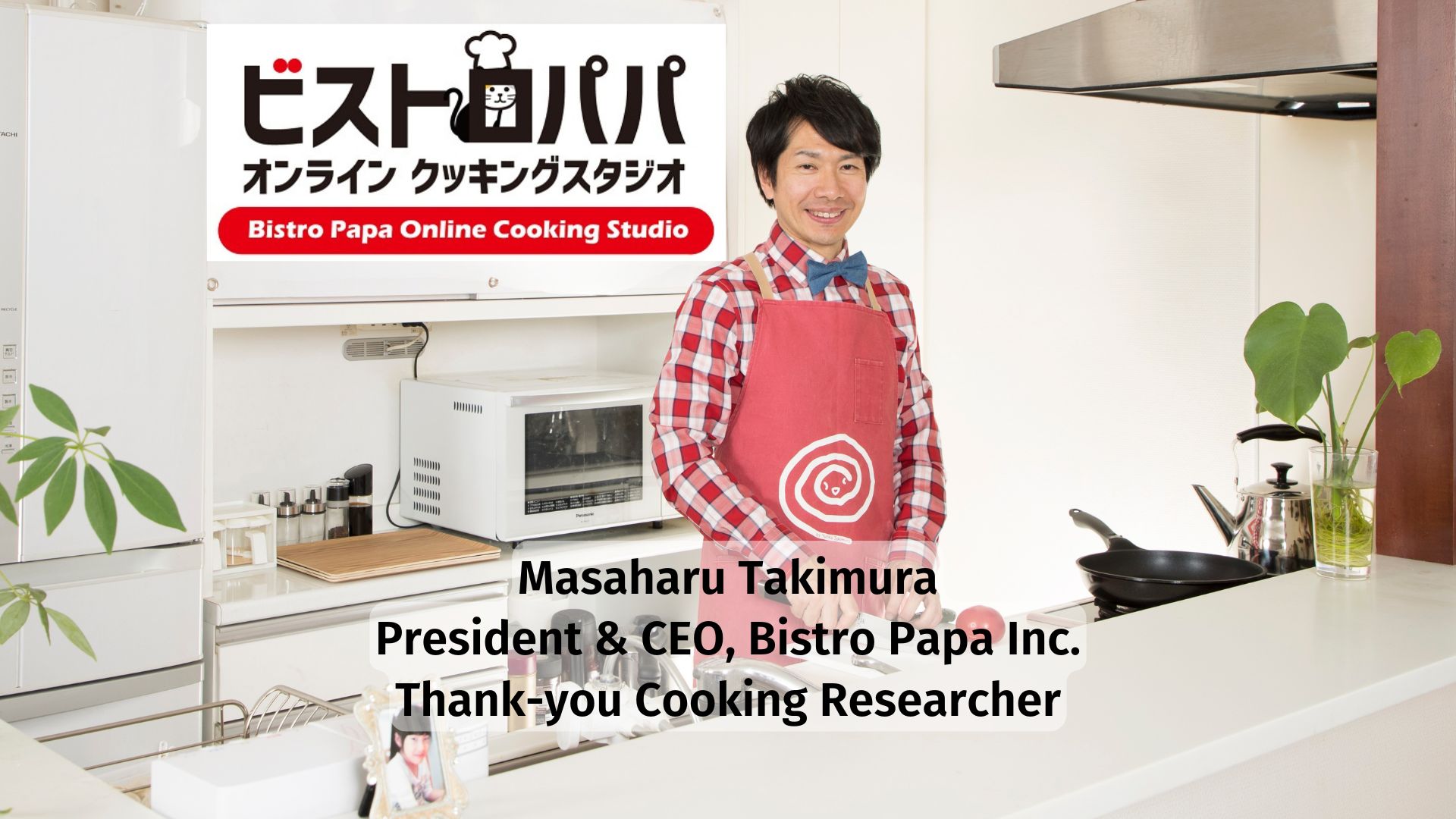
Masaharu Takimura
President & CEO, Bistro Papa Inc.
Thank-you Cooking Researcher